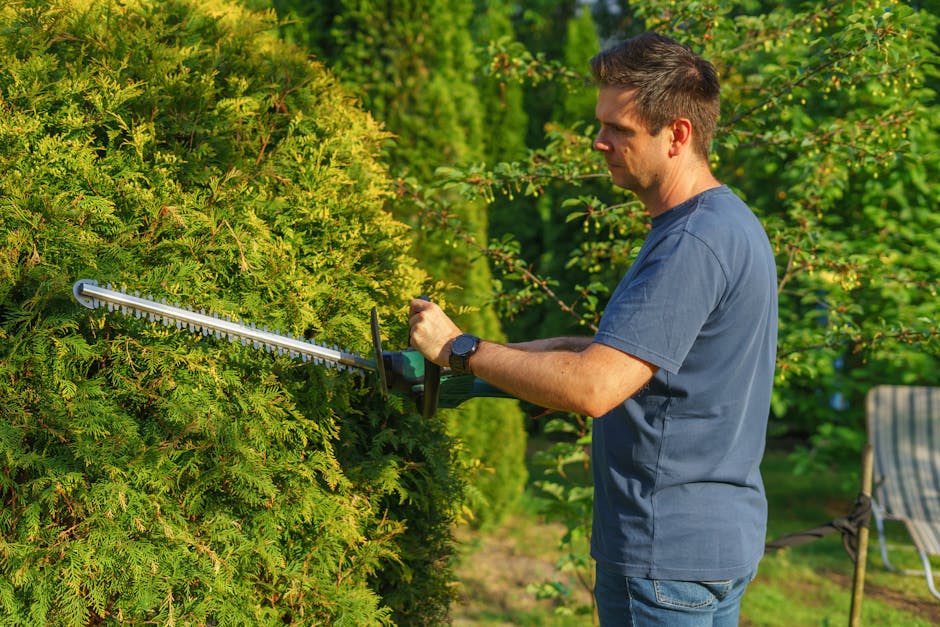
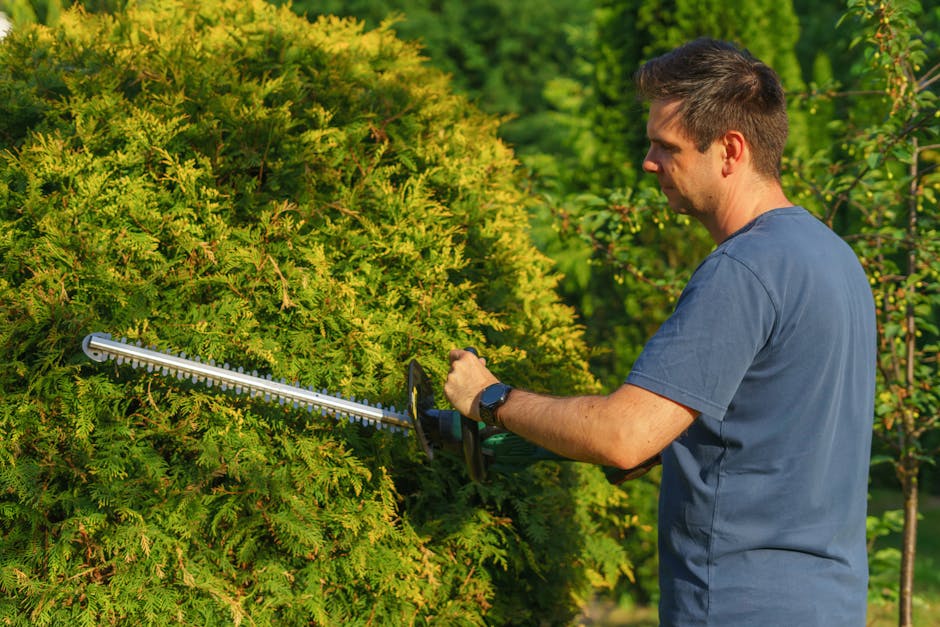
Norbiton High Street gardeners for hedge trimming: a practical guide for neat, healthy hedges
If you live, work, or manage property near Norbiton High Street, you already know hedges can go from tidy to unruly faster than you'd expect. One week they look sharp; the next they're leaning, blocking light, or brushing the path every time the wind picks up. That's where Norbiton High Street gardeners for hedge trimming come in. Done well, hedge trimming is not just about making things look smarter. It helps plants stay healthy, keeps boundaries clear, and saves you from the quiet frustration of doing a half-job with blunt shears on a Saturday afternoon.
This guide breaks down what hedge trimming actually involves, how local gardeners usually approach it, what to ask before you book, and how to spot good work from rushed work. We'll also cover practical considerations like timing, tools, access, compliance, and the small details that often make the biggest difference. Truth be told, tidy hedges do a lot more for a property than people give them credit for.
Table of Contents
- Why Norbiton High Street gardeners for hedge trimming Matters
- How Norbiton High Street gardeners for hedge trimming Works
- Key Benefits and Practical Advantages
- Who This Is For and When It Makes Sense
- Step-by-Step Guidance
- Expert Tips for Better Results
- Common Mistakes to Avoid
- Tools, Resources and Recommendations
- Law, Compliance, Standards, or Best Practice
- Options, Methods, or Comparison Table
- Case Study or Real-World Example
- Practical Checklist
- Conclusion
- Frequently Asked Questions
Why Norbiton High Street gardeners for hedge trimming Matters
Hedges do a lot of work quietly. They frame front gardens, soften fences, shield patios, and help create that lived-in, cared-for look people notice without always knowing why. On a busy street like Norbiton High Street, where footfall, parked cars, narrow pavements, and close neighbours are part of daily life, hedge maintenance matters even more.
A hedge that's allowed to run wild can quickly become more than an eyesore. It can reduce visibility at a driveway, spill over a pavement, block sunlight into a front room, or simply make a property feel neglected. That may sound a bit dramatic, but local streets are full of small visual cues, and hedges are one of the biggest.
Hiring a gardener for hedge trimming is also about plant health. Many hedges respond better to regular, light shaping than to the occasional severe cutback. A good gardener will understand the species, the season, and the right cut for the job. That's the difference between a hedge that recovers neatly and one that looks hacked for months.
For homeowners, landlords, and small businesses, local hedge care can support curb appeal, safety, and neighbourly goodwill all at once. And in an area where gardens are often visible from the street, that combination is worth taking seriously.
How Norbiton High Street gardeners for hedge trimming Works
At a simple level, hedge trimming is the controlled cutting back of new growth to keep a hedge within shape, size, and health. But in practice, the work is a little more nuanced. A competent gardener won't just arrive, clip everything to the same height, and leave. They'll look at what kind of hedge you have, how much it's grown since the last cut, whether nesting birds are present, and how you want the hedge to sit in relation to paths, fences, or windows.
The process often starts with a site visit or a photo-based quote. That lets the gardener judge height, thickness, access, waste volume, and any awkward spots near walls, gates, or overhead lines. For many properties, the actual trimming can be straightforward. For others, especially mature hedges or mixed boundary planting, it may involve selective shaping, thinning, and a bit of careful edging around the base.
Most hedge trimming services also include clearing the clippings. That may seem like a small thing, but it's one of the biggest reasons people hire help in the first place. No one wants a front path covered in green confetti for the next three days.
If you're comparing wider garden help, it can be useful to understand how hedge work fits alongside broader maintenance. A local team that also offers garden maintenance services may be better placed to handle seasonal follow-up, not just a single cut. And if your garden needs more than one-off trimming, look at professional hedge trimming as part of a fuller upkeep plan rather than a one-time fix.
Key Benefits and Practical Advantages
There's a reason hedge trimming is one of those jobs people keep postponing and then instantly feel better about once it's done. The benefits are both practical and visual, and they tend to build on each other.
- Cleaner street presence: A crisp hedge makes a property look maintained, even when the rest of the garden is fairly ordinary.
- Better light and space: Trimming back growth can open up windows, narrow pathways, and entrances that had started to feel boxed in.
- Healthier growth: Regular trimming usually encourages denser, more controlled growth rather than straggly extension.
- Safer access: Cutting back overhangs can reduce trips, improve visibility, and keep paths usable.
- Less neighbour friction: Let's face it, nothing tests diplomacy quite like a hedge creeping over a boundary.
- More manageable upkeep: Small, routine trims are generally easier than letting the hedge become a major seasonal project.
Another practical advantage is predictability. Once you've got a local gardener who understands your hedge types and your preferred shape, future visits become easier to plan. You're not starting from scratch every time, which is a relief when life is already busy.
For some people, the biggest benefit is simply not having to wrestle with ladders, long-reach tools, and a mountain of clippings. There's a quiet joy in handing over a job that is fiddly, dusty, and slightly more dangerous than it looks.
Who This Is For and When It Makes Sense
Hedge trimming support is useful for more people than you might think. It's not only for large gardens or premium homes. In fact, on and around Norbiton High Street, it often makes the most sense for ordinary properties with ordinary constraints: limited time, close boundaries, modest front gardens, and hedges that grow just a bit too enthusiastically after spring rain.
You may want a gardener for hedge trimming if you are:
- a homeowner who wants the front garden to look tidy without spending half a weekend on it
- a landlord keeping boundaries neat for tenants and inspections
- a busy family trying to avoid the monthly "we should really sort that hedge" conversation
- a small business owner wanting a smart entrance or frontage
- someone with a mature hedge that's too high or awkward to manage safely alone
- an older resident or anyone who'd rather not climb, stretch, or haul heavy cuttings
It also makes sense at specific times of year. Many hedges benefit from periodic trimming during the growing season, but timing depends on species, nesting activity, and the look you want to maintain. If you're unsure, a good gardener should explain what is suitable rather than pushing a one-size-fits-all schedule.
Sometimes the right decision is not "trim it now" but "lighten it a bit and come back later." That sort of judgement is what separates a careful local gardener from somebody just trying to finish fast.
Step-by-Step Guidance
If you're booking hedge trimming for the first time, it helps to understand the process from start to finish. That way, you know what to ask and what a sensible workflow looks like.
- Assess the hedge properly. Look at height, width, density, access, and whether the hedge is purely decorative or also acting as a privacy screen.
- Decide the desired shape. Most hedges look best with a slight taper, wider at the bottom than the top, so light reaches lower growth.
- Check for timing issues. In the UK, trimming should be done with awareness of nesting birds and the hedge species involved.
- Prepare the area. Move cars, bins, and fragile pots if needed. Clear the base if there are toys, hosepipes, or garden ornaments in the way.
- Trim in stages. A careful cut usually starts with the sides, then the top, then any awkward projecting shoots or dead growth.
- Inspect the finish. Good work should look even, purposeful, and balanced, not over-flat or patchy.
- Clear and dispose of waste. Bagging, loading, and taking away clippings is part of the service in many cases.
- Plan the next visit. For fast-growing hedges, regular light maintenance is usually easier than waiting for a big annual overhaul.
A useful rule of thumb: if the hedge looks "tamed" rather than "shaved," that's usually a good sign. Too much bare wood showing can mean the hedge will need extra time to recover. Not always, but often enough to matter.
If your garden needs wider seasonal care too, it may be worth coordinating trimming with garden clearance or a broader tree and shrub care visit, especially where hedges sit close to other planting.
Expert Tips for Better Results
A few small choices can make a surprisingly big difference to the result. These are the kinds of details experienced gardeners tend to notice straight away.
1. Aim for shape, not just size reduction
Cutting a hedge shorter is easy. Shaping it so it still looks natural and healthy is the real job. A gentle taper helps with light and longevity, particularly for dense evergreen hedges.
2. Keep a regular trimming rhythm
Most hedges are easier to maintain with lighter, more frequent cuts than with occasional heavy pruning. The work is less dramatic, but the finish is far better.
3. Don't ignore the base
Many hedges get clipped neatly at eye level and then left messy at the bottom. That can make the whole line look tired. Clean edging around the base sharpens the finish instantly.
4. Ask about species-specific care
Box, laurel, privet, beech, and mixed boundary hedges all behave differently. A gardener who can talk through the species without overcomplicating it is usually a good sign.
5. Watch for hidden access issues
Narrow side returns, steep slopes, shared access, and parked vehicles can all affect the time and method needed. Mention them early. It saves hassle later, simple as that.
One small, very human tip: stand across the street for a second after the work is done. You'll spot asymmetry far more easily from a distance. It's a silly little habit, but it works.
For property owners who want reliable seasonal support, it can also help to explore seasonal garden care and see how hedge maintenance fits into the bigger picture rather than treating it as an isolated chore.
Common Mistakes to Avoid
Hedge trimming looks straightforward until it isn't. A few common mistakes show up again and again, and they're mostly avoidable with a bit of planning.
- Leaving it too late: Once a hedge gets out of hand, the job takes longer and can be harder on the plant.
- Overcutting in one go: Heavy reduction can leave bare sections and an uneven recovery period.
- Ignoring bird nesting season: Always check for nesting activity before work starts.
- Using blunt or unsuitable tools: Ragged cuts can make the hedge look frayed and increase stress on the plant.
- Forgetting waste removal: Clippings pile up quickly, especially with dense hedges.
- Assuming every hedge is the same: Different species, different timing, different cut.
There's also the classic mistake of trimming "just a bit more" until the hedge loses its line. We've all seen it. The hedge suddenly looks like it's wearing an unfortunate haircut and needs months to grow back into itself.
If you're unsure, ask for a light first visit rather than a dramatic reshape. The better choice is often the one that leaves room for the hedge to recover naturally.
Tools, Resources and Recommendations
The right tools depend on hedge type, height, and access. A professional gardener may use hand shears for precision, hedge trimmers for speed, secateurs for finer corrections, and long-reach equipment where safe and appropriate. The point is not the machine itself. It's whether the tool suits the plant and the finish you want.
| Tool or Resource | Best For | Why It Helps |
|---|---|---|
| Hand shears | Fine shaping and detailed edge work | Gives a cleaner finish on smaller sections |
| Hedge trimmer | Longer runs and routine maintenance | Speeds up even trimming across larger areas |
| Secateurs | Stubborn shoots and awkward twigs | Useful for selective cuts without tearing growth |
| Tarpaulin or sheets | Clipping collection | Makes waste gathering cleaner and quicker |
| Eye and hand protection | General hedge work | Basic protection from debris and scratches |
As a homeowner, the most useful resource is often not a gadget but a clear service agreement. Ask what's included: shaping, waste removal, access handling, follow-up visits, and whether the gardener will clean the surrounding paths afterwards. Those little details matter more than flashy kit.
If you are comparing providers, it may also help to look at their wider service pages such as garden services and hedge maintenance. Those pages can give you a better sense of how a company handles ongoing care, not just one-off trimming.
Law, Compliance, Standards, or Best Practice
For hedge trimming in the UK, the main thing is to work carefully and responsibly. You do not need a law degree to have a hedge cut properly, but you do need common sense and some basic awareness of local conditions.
A few best-practice points are especially worth keeping in mind:
- Check for nesting birds before trimming, particularly in the main nesting season.
- Respect boundaries and understand which side of a hedge belongs to whom before any major work.
- Manage waste responsibly through correct disposal or composting where appropriate.
- Use safe working methods when ladders, height, power tools, or awkward access are involved.
- Avoid damaging public areas such as pavements, verges, or neighbouring planting.
If a hedge borders a public footway or road, the standard of care matters more. Growth should not obstruct visibility or create avoidable hazards. In practical terms, that means trimming in good time and not letting things creep into pedestrian space. That's one of those jobs that's easy to ignore until it suddenly isn't.
Good gardeners will usually work with these duties in mind without making a song and dance about it. They'll just do the sensible thing. Which, honestly, is what you want.
Options, Methods, or Comparison Table
Not every hedge needs the same treatment. Some are best shaped lightly and often. Others need a more considered annual reset. Here's a straightforward comparison.
| Method | Best For | Pros | Trade-Offs |
|---|---|---|---|
| Light routine trimming | Healthy hedges that grow evenly | Neat finish, easier upkeep, less stress on plants | Needs regular scheduling |
| Seasonal shaping | Hedges that need visible tidying a few times a year | Good balance of appearance and plant care | May require planning around growth cycles |
| Hard reduction | Overgrown hedges needing major correction | Can restore access and shape | More stress on the hedge; recovery may take time |
| Precision hand-finishing | Prominent front gardens or decorative hedges | Sharper appearance and detail | Takes longer and may cost more |
Most people around Norbiton High Street will want a blend of routine trimming and seasonal shaping. It's usually the sweet spot: tidy enough to look excellent, restrained enough to avoid unnecessary stress on the hedge.
Case Study or Real-World Example
Take a typical front-garden hedge near a busy residential stretch off Norbiton High Street. It started as a neat privacy screen and then, after a mild spell of growth in spring, began leaning toward the pavement. Nothing dramatic. Just enough that it looked untidy from the road and narrowed the path by a few inches.
The gardener's first step was to check the hedge species and look for signs of nesting. Then they agreed a light reshaping, not a severe cut. The sides were straightened, the top was lowered only slightly, and the base was cleared of loose clippings and leaf litter. The result looked calm, not overworked. The boundary line was restored, light reached the front window again, and the whole frontage felt more open.
That kind of job is common. And the best part is that it rarely needs drama. No overthinking. No grand redesign. Just sensible maintenance, done at the right moment by someone who knows how to read the hedge.
For households wanting a similar tidy-up alongside general outdoor maintenance, a local provider who also covers front garden care can be a practical fit. It keeps the whole frontage looking coherent rather than patchwork.
Practical Checklist
Before booking a gardener, or before they arrive, run through this quick checklist. It saves time and tends to produce a cleaner result.
- Identify the hedge type if you know it, or take clear photos if you do not.
- Decide what you want: a light tidy, a height reduction, or a full shape refresh.
- Check access for side gates, parked cars, bins, and fragile items.
- Ask whether waste removal is included.
- Confirm timing if you're concerned about bird nesting or seasonal growth.
- Make sure boundaries are clear if the hedge sits near a neighbour's side.
- Clear the area around the hedge if possible.
- Request a finish standard that suits the garden: crisp, natural, formal, or lightly shaped.
- Plan follow-up maintenance if the hedge grows quickly.
One-line reminder: good hedge work is mostly about preparation. The trimming is the easy bit.
Conclusion
Choosing Norbiton High Street gardeners for hedge trimming is really about making life easier while keeping your property looking cared for. A good gardener brings more than a pair of shears. They bring judgement, timing, safer working methods, and the steady kind of attention that turns a scruffy hedge back into something you barely notice for the right reasons.
If your hedge is starting to shade windows, push into paths, or simply look a bit tired around the edges, that is usually your sign. You do not need to wait until it becomes a weekend-destroying project. A timely trim is usually kinder to the hedge, kinder to you, and kinder to the street view as well.
Get a free quote today and see how much you can save.
And if you're still weighing it up, that's fine. A well-kept hedge has a way of making the rest of the garden feel calmer too. Funny how something so simple can change the mood of a whole place.
Frequently Asked Questions
How often should a hedge be trimmed?
It depends on the hedge species and how formal you want it to look. Fast-growing hedges may need several light trims a year, while slower-growing varieties may only need periodic shaping. A local gardener can suggest a sensible rhythm after seeing the hedge.
Is hedge trimming the same as hedge cutting?
People often use the terms interchangeably, but trimming usually implies light, regular maintenance, while cutting can suggest a larger reduction or more corrective work. In practice, the right method depends on the hedge's condition.
Can gardeners trim hedges near pavements or front boundaries?
Yes, but they should work carefully, keep access clear, and avoid creating hazards or damaging public areas. Hedges that border paths or roads need extra attention because visibility and pedestrian space matter.
What happens if my hedge is overgrown?
An overgrown hedge can often be reduced, but the approach should be cautious. Severe cutting is not always best for plant health. A gardener may recommend staged reduction over more than one visit.
Do I need to clear the area before hedge trimming?
It helps a lot. Moving pots, toys, hoses, bins, and cars makes the job faster and safer. If you can clear the base of the hedge, even better. It also gives a cleaner finish.
Will the gardener remove the hedge clippings?
Often, yes, but it is best to confirm this in advance. Waste removal can be included or charged separately depending on the size of the job and the provider's service terms.
What should I ask before booking hedge trimming in Norbiton?
Ask about hedge type, timing, waste removal, access requirements, and whether the quote covers shaping only or also reduction. If the hedge is near a boundary, it is worth clarifying exactly what work you want.
Can hedge trimming be done in bird nesting season?
It may be possible, but only with care and after checking for nesting birds. Responsible gardeners will pause or adjust the work if they find active nests. That is the sensible approach.
How do I know if a hedge is being trimmed properly?
A well-trimmed hedge usually looks even, balanced, and slightly narrower at the top than the bottom. It should not look stripped bare or unevenly hacked. The area around it should also be left tidy.
Is regular maintenance better than one big trim?
Usually, yes. Regular maintenance is gentler on the hedge and usually produces a better-looking result. It also spreads the work out, which most people find easier to manage.
What if my neighbour's hedge overhangs into my garden?
It's usually best to discuss the issue politely first. Boundaries can be sensitive, and trimming should be done carefully with respect for ownership and legal rights. If in doubt, seek local advice before cutting anything significant.
Can a local gardener help with other garden tasks at the same time?
Yes, many can. If you have hedge trimming, front garden tidying, pruning, or seasonal clearance all hanging around together, combining them can be more efficient than booking separate visits.