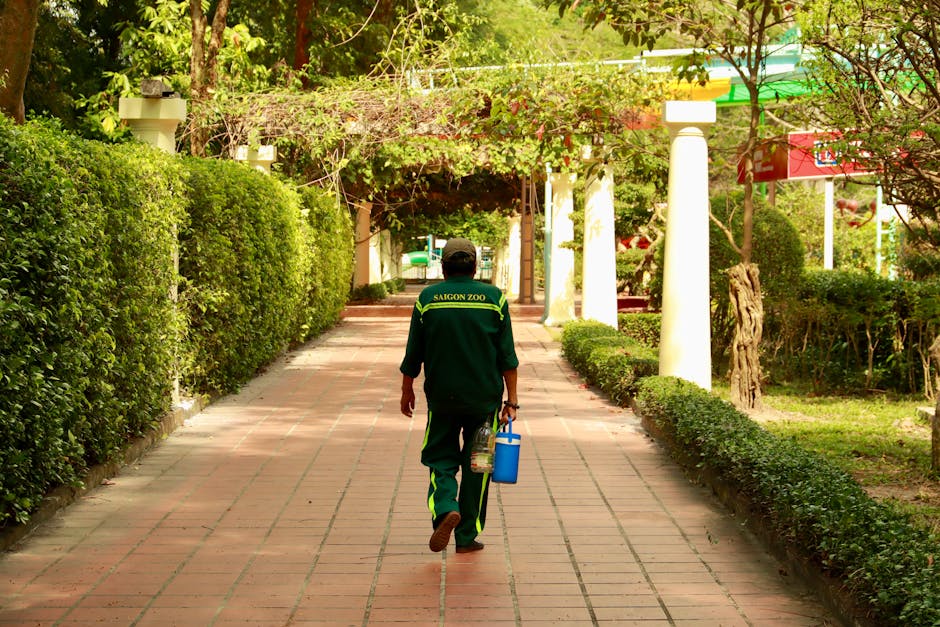
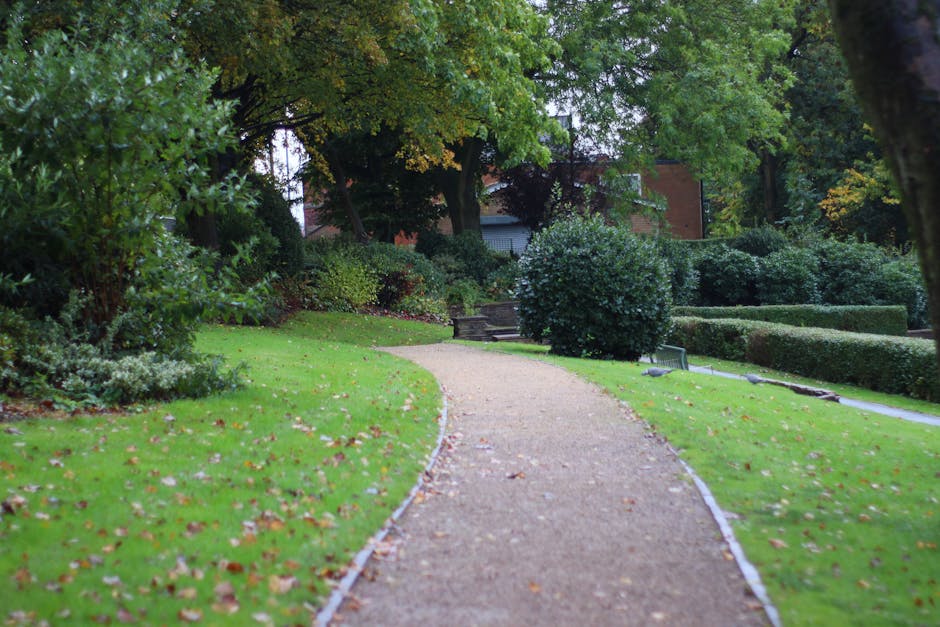
Kingston Hospital gardeners local grounds care: a practical guide to safe, tidy and reliable hospital grounds
If you are looking into Kingston Hospital gardeners local grounds care, you are probably trying to solve more than a simple gardening problem. Hospital grounds have to look calm, stay safe, support patient wellbeing, and remain workable for staff, visitors and contractors every day. That means the work around a healthcare site needs a steadier hand than ordinary garden maintenance. It is part horticulture, part risk management, and part quiet attention to detail.
In plain English, local grounds care for a hospital setting is about keeping external spaces presentable, accessible and low-risk while respecting the pace of a busy site. A neat entrance, healthy planting, clear pathways and well-managed green areas all help create the right first impression. They also reduce avoidable problems, which, let's face it, is the kind of thing nobody notices until it goes wrong.
This guide breaks down what hospital grounds care involves, who it suits, how the work is usually organised, and what good practice looks like in a real-world local setting. Where useful, we will also point you to relevant service pages such as ground care services, garden maintenance, commercial landscaping, and landscape gardening so you can see how the different pieces fit together.
One thing worth saying up front: hospital grounds care is rarely about dramatic transformations. It is usually about consistency, competence, and making the site feel cared for on a Tuesday morning in the rain. That sort of reliability matters more than flashy before-and-after photos.
Table of Contents
- Why Kingston Hospital gardeners local grounds care Matters
- How Kingston Hospital gardeners local grounds care Works
- Key Benefits and Practical Advantages
- Who This Is For and When It Makes Sense
- Step-by-Step Guidance
- Expert Tips for Better Results
- Common Mistakes to Avoid
- Tools, Resources and Recommendations
- Law, Compliance, Standards, or Best Practice
- Options, Methods, or Comparison Table
- Case Study or Real-World Example
- Practical Checklist
- Conclusion
- Frequently Asked Questions
Why Kingston Hospital gardeners local grounds care Matters
Hospital grounds are not just decorative. They do a job. They help people orient themselves, soften an often stressful experience, and make the whole site feel more orderly and welcoming. For patients and families arriving with worry on their minds, the outside environment is part of the first impression before anyone even reaches reception.
That is especially true in a busy local area like Kingston, where healthcare sites often sit within a mix of traffic, footfall, car parks, service access points and public pathways. A hospital landscape has to cope with all of that while still looking calm. In practical terms, good grounds care helps with:
- clear and safe pedestrian movement
- tidy entrances and forecourts
- healthy lawns, beds and shrubs
- reduced trip hazards from leaf fall, overgrowth or debris
- better visibility around pathways, signage and access points
- more pleasant outdoor spaces for staff breaks and visitors
There is also a less visible benefit: well-managed grounds can reduce the sense of neglect. In a hospital environment, neglect tends to be noticed fast. A patch of dead planting, a blocked path edge or a littered border can quietly erode confidence in the space. Not ideal.
For estates teams and facilities managers, local grounds care is often about control and predictability. You want a provider who understands the rhythm of a healthcare site, not someone who treats it like a standard domestic garden. That distinction matters more than people sometimes expect.
If your site needs more structured external support, browsing related services such as commercial gardening or garden design can help you understand how maintenance, improvement and long-term planning work together.
How Kingston Hospital gardeners local grounds care Works
In most cases, hospital grounds care starts with a site assessment. That assessment is not just about what is growing where. It is about foot traffic, access routes, visibility, maintenance frequency, and any areas that need extra caution. A side entrance used by ambulances or deliveries, for example, has different priorities from a quiet seating area tucked away from the main building.
From there, the work is usually set around a maintenance plan. That plan may include routine visits, seasonal tasks, and reactive support when the weather or site use changes. In a healthcare setting, flexibility matters. A windy week can scatter leaves across entrances. A wet spell can trigger moss, mud or slippery surfaces. Then, almost overnight, the site needs attention.
Typical hospital grounds care tasks can include:
- mowing and edging lawns
- pruning shrubs and small trees
- clearing leaves and green waste
- keeping pathways and access routes tidy
- maintaining planting beds and borders
- weeding, mulching and seasonal replanting
- checking sightlines around entrances and signage
- supporting low-maintenance planting schemes where appropriate
The best providers work quietly and with minimal disruption. They tend to arrive with a clear plan, sensible timing, and equipment that suits the site rather than the other way round. You do not want loud, messy work interfering with patient movement if it can be avoided.
In a well-run arrangement, communication is simple. The estates or facilities contact knows what is scheduled, what has been completed, and what needs extra attention. That sounds basic, but it saves a lot of back-and-forth later.
If you are shaping a broader outdoor plan, the guides on soft landscaping and driveways may also be useful, especially where entrances and circulation areas need a cleaner, safer finish.
Key Benefits and Practical Advantages
The benefits of local hospital grounds care are not abstract. They show up in everyday use, sometimes in small ways that make a big difference.
A calmer first impression
Visitors often notice the outside environment before anything else. A well-kept entrance, clipped edges, healthy planting and clear walkways can reduce that slightly tense feeling people get when visiting a hospital. It is subtle, but real.
Better safety and access
Overgrown planting, slippery debris, blocked routes and poor visibility can create avoidable hazards. Routine grounds care helps keep movement safe for patients, staff, contractors and delivery teams. That includes the practical stuff people often overlook, like clear corners and tidy kerbs.
Improved site presentation without overcomplication
Hospital landscapes do not need to be extravagant. In fact, overcomplicated planting often creates more maintenance than it is worth. Good grounds care usually favours dependable, tidy and resilient planting choices that can stand up to heavy use and variable weather.
Longer life for the landscape itself
Regular maintenance supports healthier turf, shrubs and beds. If you leave things too long, you end up paying for damage rather than prevention. That is true in gardens, and it is even more true on busy commercial sites.
Lower operational friction
When grounds are managed properly, fewer issues get escalated to estates teams. There are fewer complaints about mess, fewer access problems, and fewer sudden jobs caused by simple neglect. A small win, maybe, but a meaningful one.
Practical takeaway: Good hospital grounds care is less about "making it look pretty" and more about keeping the site calm, safe and easy to use day after day.
For sites looking at broader external upkeep, commercial landscaping and garden maintenance can support both day-to-day presentation and longer-term outdoor planning.
Who This Is For and When It Makes Sense
This kind of service is usually relevant for people managing a site rather than just a garden. If you are responsible for appearance, safety or external upkeep, you are in the right territory.
It makes sense for:
- hospital estates and facilities teams
- site managers and operations leads
- trust or property teams responsible for external environments
- healthcare buildings with public-facing grounds
- sites with patient seating areas, staff break spaces or landscaped entrances
- multi-building campuses where pathways and green spaces need coordinated care
It is also useful when a site is changing. Maybe a new entrance is being used more heavily. Maybe older planting is looking tired. Maybe the grounds are fine in summer but go scruffy by October. Truth be told, that is when many teams start looking for outside support, because the workload becomes uneven and hard to keep on top of.
If your situation is more general commercial upkeep rather than healthcare-specific grounds, a page like landscape gardener services can help you assess whether you need routine maintenance, a redesign, or both.
It can also make sense for smaller healthcare-related sites where there is no in-house horticultural resource. Not every facility has a full grounds team, and not every team has time for detailed seasonal work. That is normal. The aim is simply to match the right level of support to the reality on the ground.
Step-by-Step Guidance
If you are trying to organise or evaluate hospital grounds care locally, this simple process will help.
1. Walk the site properly
Start with a full walkaround at a normal busy time, not just a quiet morning. Look at entrances, corners, car park edges, planted areas, and any paths used by wheelchairs, trolleys or service vehicles. You will notice different issues when the site is active.
2. Separate priorities from nice-to-haves
Some jobs are essential: clear access, safe surfaces, neat entrances. Others are improvement work, such as refreshing tired borders or reshaping planting beds. Mixing them up leads to muddled planning and, usually, overspending in the wrong place.
3. Set a realistic maintenance schedule
Hospital grounds rarely do well on a "we'll get to it when we can" basis. Decide what needs weekly, fortnightly, monthly and seasonal attention. A schedule should reflect use, not just appearance.
4. Choose low-disruption working methods
Noise, machinery, waste movement and timing all matter. If work near the main entrance is unavoidable, it should be planned carefully. Often, small adjustments make the biggest difference. Early visits, clear signage and tidy working practices go a long way.
5. Review planting for resilience
Plants that look lovely for two months and then demand constant rescue are rarely worth it on a hospital site. Hard-wearing, easy-to-manage planting usually provides better value. If an area is too shaded, too dry or too exposed, the planting plan should reflect that reality rather than fight it.
6. Track issues and repeat patterns
Notice what keeps coming back. Is it leaf build-up by one entrance? Moss in a damp area? Beds that attract litter? Once you see the pattern, you can solve the root cause rather than chasing symptoms forever.
A neat, boring process often gives the best results. Not glamorous, but effective. And in this line of work, effective wins.
Expert Tips for Better Results
Here are the small, practical things that tend to make hospital grounds care better in the long run.
Design for maintenance, not just appearance
A planting scheme should be judged by how it will look in month eight, not only week one. Ask: who will prune this, how often, and what happens if a few visits are missed? If the answer is "it becomes a jungle", the plan needs work.
Keep access edges sharp and visible
Driveways, path edges and planting boundaries should be easy to read at a glance. That helps with safety and makes the whole site look more intentional. Small definition around edges can transform a space.
Use seasonal rhythm wisely
Spring is often about recovery and growth. Summer is about control and presentation. Autumn becomes leaf management and clearance. Winter is the time to reduce risk, check structure and prepare for the next cycle. If that sounds obvious, fair enough. It is still where many sites slip.
Choose the right level of intervention
Not every space needs full redesign. Sometimes a professional maintenance plan is enough. Sometimes an area needs soil improvement, replanting or better drainage. The trick is knowing which problem you actually have.
Communicate with site teams early
If the grounds team knows about temporary access changes, clinical deliveries or building works, they can adjust tasks around them. That saves time and avoids accidental clashes. The best jobs often feel almost invisible because someone coordinated them properly.
For broader outside improvements and long-term site presentation, it can be worth reviewing commercial gardening support and soft landscaping options together rather than separately.
Common Mistakes to Avoid
Even well-run sites can fall into the same traps. These are the ones that come up again and again.
- Focusing only on appearance. A pretty entrance that creates trip hazards is not a win.
- Using a generic domestic schedule. Hospitals need a different pace and different priorities.
- Ignoring seasonal pressure points. Leaf fall, wet weather and growth spurts can quickly overwhelm a loose plan.
- Overplanting complicated borders. More variety is not always better if it increases upkeep.
- Leaving access management too late. If visitors or staff are having to step around mess, the plan is already behind.
- Not checking who is actually responsible. This sounds basic, but unclear ownership causes delays and repeated complaints.
One thing people sometimes underestimate is how quickly a small issue snowballs. A little weed growth becomes a larger border problem, then a drainage issue, then a "why does this area always look tired?" conversation. It happens fast. Too fast, sometimes.
Tools, Resources and Recommendations
The right tools are less about brand and more about fit. In a healthcare setting, you want equipment that is reliable, appropriately sized for the site, and used with care.
Useful equipment and materials often include:
- professional mowers and edging tools
- hedge and shrub cutting equipment
- leaf clearance tools and collection systems
- weed control tools suited to the site approach
- mulch and soil improvement materials
- low-maintenance, resilient planting stock
- clear waste handling and removal arrangements
On the planning side, the most useful resource is usually a simple site record. That might note problem areas, seasonal tasks, access requirements, and repeated maintenance issues. It does not have to be fancy. In fact, simple often works best.
For sites that need a more joined-up external package, these internal pages may help you compare options:
- routine garden maintenance for regular upkeep
- commercial landscaping for larger site coordination
- landscape gardener support for improvement work
- driveway and access area work where entrances need attention
- soft landscaping for planting-led improvements
If you are reviewing external care at a hospital site, ask whether the provider understands working around public access, sensitive timings and the need to keep the place calm. Those details matter more than flashy promises. Always have.
Law, Compliance, Standards, or Best Practice
Hospital grounds care can touch on health and safety, site access, waste handling and contractor working practices. The exact requirements will depend on the site, the services being provided and how the work is managed locally, so it is wise to treat this area carefully rather than assume a one-size-fits-all answer.
In practice, good hospital grounds contractors should be working in line with sensible UK commercial standards for:
- safe working around the public
- clear communication with site teams
- appropriate use of machinery and tools
- tidy waste removal and disposal arrangements
- keeping pathways and entrances unobstructed
- minimising disruption near sensitive areas
Where a site has its own health and safety procedures, those should lead. That usually means inductions, access controls, site-specific rules and permit systems where needed. If you are commissioning work, it is worth confirming that the provider can work within your local process without making a fuss about it. A good contractor should see that as normal, not a problem.
There is also a best-practice angle around planting and maintenance decisions. On healthcare sites, low-risk, low-maintenance, non-fragile planting is often more appropriate than high-drama ornamental schemes. That is not a law. It is just common sense, which, to be fair, is often the most useful standard of all.
Options, Methods, or Comparison Table
Not every hospital or healthcare site needs the same level of grounds support. The right choice depends on the size of the site, the age of the landscape, and how much in-house capacity already exists.
| Approach | Best for | Pros | Watch-outs |
|---|---|---|---|
| Routine grounds maintenance | Sites that mainly need steady upkeep | Predictable, efficient, easy to plan | May not solve deeper planting or layout issues |
| Seasonal maintenance | Sites with strong spring/summer growth or heavy leaf fall | Focused response to seasonal pressure | Can miss smaller year-round issues if not tracked |
| Maintenance plus improvements | Sites with tired borders, poor access edges, or old planting | Combines day-to-day care with longer-term upgrades | Needs clearer planning and budget control |
| Full landscape support | Larger or more complex healthcare campuses | More cohesive results across the site | Needs strong coordination and realistic expectations |
In many cases, the best approach is a blend. A hospital can have routine maintenance for the day-to-day work and separate improvement projects for problem areas. That gives flexibility without turning everything into a major project.
If your site has been relying on occasional reactive tidy-ups, that may feel cheaper in the short term. But in real life, reactive care often leads to more disruption and a less consistent finish. The boring regular option is often the smarter one.
Case Study or Real-World Example
Here is a realistic example based on the sort of situation local healthcare sites often face.
A busy hospital entrance had three recurring issues: leaf build-up near the paving, tired shrub beds beside the approach road, and a patch of uneven presentation around the visitor drop-off area. Nothing dramatic. Just enough to make the site feel untidy and a bit overlooked.
The maintenance response was straightforward:
- increase clearance frequency during autumn
- reshape the beds so they were easier to maintain
- replace a few high-maintenance plants with more resilient alternatives
- improve edging so the route read more clearly
- set a repeat schedule for checking the main approach before busy visiting periods
Within a short period, the entrance looked calmer, the route felt easier to navigate, and staff stopped having to mention the same small issues over and over. Nothing magical happened. No grand redesign. Just a sensible plan applied consistently.
That is often the reality of hospital grounds care. The value comes from solving awkward little problems before they grow legs. You know the type.
Practical Checklist
Use this checklist if you are assessing grounds care for a hospital or healthcare site in the Kingston area.
- Are entrances and pathways clear, tidy and easy to follow?
- Is the maintenance schedule matched to site use and seasonal pressure?
- Are planting areas resilient and simple enough to manage well?
- Is leaf clearance, edging and pruning happening before problems build up?
- Are there any repeated access, visibility or safety issues?
- Does the provider understand working around public-facing healthcare environments?
- Are waste removal and site tidiness part of the service?
- Is there a clear contact process for requests and issue reporting?
- Do any areas need improvement rather than just routine maintenance?
- Have you compared routine care with broader support such as commercial landscaping or garden maintenance?
Expert summary: if the grounds feel easy to move through, easy to maintain and calm to look at, you are probably on the right track. If the same problems keep appearing, the plan needs adjusting. Simple as that.
Conclusion
Kingston Hospital gardeners local grounds care is really about trust. Trust that the site will stay safe, neat and welcoming. Trust that routine issues will be handled before they turn into bigger ones. And trust that the external environment will support the work happening inside the building rather than distract from it.
For healthcare sites, the best grounds care is usually steady, low-drama and thoughtfully planned. It protects access, improves presentation, and gives staff and visitors one less thing to worry about. That may not sound glamorous, but it is genuinely valuable. In a busy hospital setting, calm surroundings matter more than people sometimes say out loud.
If you are comparing options or planning a site review, now is the right time to look at both maintenance and longer-term improvement together. A thoughtful approach today can save a lot of tidying, a lot of frustration, and a fair bit of money down the line.
Get a free quote today and see how much you can save.
And if the grounds look a little tired right now, don't worry. With the right local care, they can feel orderly and reassuring again - which, honestly, is what most people want when they arrive at a hospital.
Frequently Asked Questions
What does Kingston Hospital gardeners local grounds care actually include?
It usually covers routine outdoor maintenance such as mowing, edging, pruning, leaf clearance, border care, access route upkeep and general tidying. In a hospital setting, it may also include more careful scheduling, safer working methods and extra attention to public-facing areas.
Why is hospital grounds care different from regular garden maintenance?
Hospital sites have more foot traffic, more access needs and a greater expectation of safety and consistency. Work has to fit around patients, staff, visitors and service vehicles, so the approach is usually more structured than domestic gardening.
How often should hospital grounds be maintained?
It depends on the site, the season and the amount of use, but most healthcare grounds benefit from a regular schedule rather than occasional visits. Some areas may need weekly attention, while others can be managed less often. The key is consistency.
Can grounds care be carried out without disrupting patients and visitors?
Yes, if it is properly planned. A good contractor will time work carefully, keep the site tidy, manage equipment sensibly and avoid unnecessary noise or blockage near entrances and pathways.
What are the most common problems on hospital grounds?
Typical issues include leaf build-up, overgrown planting, slippery surfaces, poor visibility, litter in borders and tired-looking access areas. These problems often start small but can quickly affect presentation and safety.
Do hospital grounds need special planting?
Usually, yes in the sense that planting should be resilient, easy to manage and suited to the site conditions. Low-maintenance planting often works better than high-care ornamental schemes, especially where staff time is limited.
Is local grounds care suitable for smaller healthcare buildings too?
Absolutely. Smaller clinics, health centres and similar sites often need the same principles applied on a smaller scale. Clear access, tidy beds and reliable upkeep still matter, even if the footprint is modest.
How do I know if a site needs maintenance or a full redesign?
If the main issue is that the site looks untidy or needs regular care, maintenance may be enough. If the same areas keep failing, or the layout is making upkeep difficult, you may need some redesign or soft landscaping work as well.
What should I ask before hiring a grounds care provider?
Ask how they manage access, timing, waste removal, seasonal tasks and communication with site teams. It also helps to ask whether they have experience with public-facing or healthcare environments. That tells you a lot.
Is compliance a big issue for hospital grounds work?
It can be. The work needs to align with site health and safety procedures, safe working practices and sensible access management. The exact requirements depend on the site, so it is best to confirm local expectations at the start.
What is the difference between commercial landscaping and grounds care?
Grounds care is usually about routine maintenance and keeping the site in good order. Commercial landscaping can include broader improvement work, planting changes and layout upgrades. Many sites need a mix of both.
How do I keep costs under control?
Focus on regular maintenance, sensible planting choices and clear priorities. Preventive work is usually easier to budget for than reactive fixes. It is also worth comparing service levels carefully so you are paying for what the site actually needs, not extra noise.