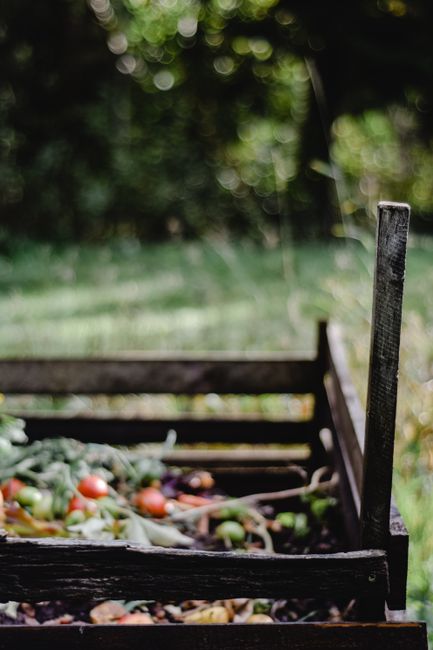
Kingston Council garden waste rules Norbiton gardeners should know before clearing up
If you garden in Norbiton, garden waste can pile up fast. One weekend you are only trimming a hedge and mowing the lawn, and the next you are staring at a growing heap of clippings, branches, leaves, and general green mess by the fence. That is exactly where understanding the Kingston Council garden waste rules Norbiton gardeners need becomes genuinely useful, because a small mistake can turn a tidy clearance into an avoidable headache.
This guide breaks the topic down in plain English: what counts as garden waste, how collection and disposal usually work, what homeowners and gardeners tend to get wrong, and how to stay on the right side of local rules without making the job harder than it needs to be. We will also cover practical ways to handle heavier garden jobs, whether you are doing your own maintenance or arranging help through services such as garden clearance and garden maintenance. Simple enough. Useful too.
Let's face it, nobody wants bags of damp grass cuttings sitting around until Monday because the bin is already full. So let's go through it properly.
Contents
- Why Kingston Council garden waste rules Norbiton gardeners Matters
- How Kingston Council garden waste rules Norbiton gardeners Works
- Key Benefits and Practical Advantages
- Who This Is For and When It Makes Sense
- Step-by-Step Guidance
- Expert Tips for Better Results
- Common Mistakes to Avoid
- Tools, Resources and Recommendations
- Law, Compliance, Standards, or Best Practice
- Options, Methods, or Comparison Table
- Case Study or Real-World Example
- Practical Checklist
- Conclusion
- Frequently Asked Questions
Why Kingston Council garden waste rules Norbiton gardeners Matters
Garden waste rules matter because green waste is not the same as ordinary household rubbish. Grass cuttings, hedge trimmings, small branches, weeds, and fallen leaves behave differently from packaging or food waste. They rot, compact, get wet quickly, and can become surprisingly heavy. If you deal with them in the wrong way, collections can be missed, bins can be contaminated, or you may end up with waste that needs a paid uplift after all.
For Norbiton gardeners, there is also a local angle. Gardens in this part of Kingston tend to vary a lot: compact town gardens, mature plots with old shrubs, tidy front spaces, and the occasional large back garden with a lot going on. In a smaller garden, even a light pruning session can create more waste than expected. In a larger one, a seasonal cutback can fill several sacks before tea time. That is why it helps to understand the rules before you start snipping away.
There is another reason too: compliant garden waste handling is better for the environment and usually easier on your back. When waste is sorted properly, it is simpler to compost, recycle, or remove efficiently. And if you use professional help, the right waste approach is part of a cleaner, safer job. Our recycling and sustainability approach is built around that practical idea: do the job well, then dispose of the material responsibly.
Key takeaway: Most garden waste problems do not come from gardening itself. They come from poor sorting, overfilled containers, and trying to treat green waste like general rubbish.
How Kingston Council garden waste rules Norbiton gardeners Works
While exact collection arrangements can change, the basic structure is fairly straightforward. Garden waste is usually dealt with through a separate route from household rubbish, either via council collection services, approved private removal, home composting, or a mix of these methods. The key is to keep garden waste clean, manageable, and in the right place at the right time.
In practical terms, Norbiton gardeners usually need to think about four things:
- What the waste is: green waste such as grass, leaves, weeds, small twigs, and hedge clippings is usually treated differently from soil, stones, timber, pots, or treated wood.
- How it is stored: many systems expect waste to be placed in suitable bins, sacks, or containers rather than loose in the street or mixed with rubbish.
- When it is collected: collection days and booking arrangements matter, especially after big cuts or seasonal clearances.
- Whether it needs extra handling: large branches, roots, or bulky cuttings may need a different disposal approach from everyday trimmings.
That sounds simple, and mostly it is. But the details trip people up. A pile of hedge cuttings that looks light can become awkward once it is chopped, bagged, and wet. A few inches of rain on a Wednesday morning can make a sack feel like it has been filled with wet towels and regret. Not ideal.
If you are arranging a bigger tidy-up, it is worth thinking about the entire process, not just the cutting itself. For example, a full seasonal clean may involve hedge work, mowing, edging, and maybe some light landscaping or restructuring. In that case, looking at service options and matching the cleanup plan to the job can save a lot of time later.
Key Benefits and Practical Advantages
Following the garden waste rules properly is not just about avoiding problems. There are genuine practical benefits for Norbiton gardeners, especially if you maintain a garden regularly or help others with their plots.
- Cleaner working conditions: a tidy waste plan keeps paths, patios, and driveways safer while you work.
- Less rework: when waste is sorted as you go, you do not end up handling everything twice.
- Better presentation: a cleaned-up garden looks finished, not half-done.
- Fewer disposal surprises: you are less likely to discover that mixed waste needs a different route.
- Lower stress: frankly, knowing where the waste is going makes the whole job feel lighter.
There is also a commercial benefit if you hire a gardener or landscaping team. A contractor who understands local waste handling can work faster and leave less mess behind. That matters whether the job is a routine mow, hedge trimming, or a more involved clearance. If you want to see the range of work that can be coordinated around waste removal, the hedge trimming and lawn mowing services are good examples of jobs where waste management is part of the value, not an afterthought.
Who This Is For and When It Makes Sense
This topic is relevant for a lot of people, not just keen gardeners. If you live in Norbiton and you touch the garden at all, the rules probably affect you sooner or later.
Homeowners and tenants
If you are cutting your own grass, pruning shrubs, or clearing autumn leaves, the most obvious need is knowing how to get rid of the waste properly. Small jobs add up quickly. A couple of bags every fortnight can become a real nuisance if you leave them sitting in the corner of the garden.
Landlords and property managers
Rental homes often need quick, reliable garden tidy-ups between tenancies or before inspections. In those cases, waste handling has to be predictable. Missed waste can make a freshly maintained garden look neglected again in no time.
Regular gardeners
If you maintain your own plot week by week, you need a system rather than a one-off solution. A compost heap, regular collection booking, or planned uplift after bigger jobs can help keep the whole routine smooth.
People doing seasonal clearances
Spring and late autumn are the big moments. Shrubs get cut back, beds get reset, and the volume of waste can jump suddenly. That is often when people realise they need a proper clearance plan, not just a couple of bin bags.
Truth be told, this is also where professional help can be worth it. A more involved tidy-up may call for garden clearance, especially if you are dealing with a large or overgrown space. If the work has safety considerations, such as awkward branches or unstable growth, then tree lopping and removal may be relevant too.
Step-by-Step Guidance
If you want a simple way to stay compliant and keep the job under control, use this process. It is not glamorous, but it works.
- Identify the waste first. Separate green waste from soil, rubble, broken pots, treated timber, and household rubbish.
- Estimate the volume. Is this a small prune, a weekly mow, or a full garden overhaul? The answer changes the disposal plan.
- Choose your route. Use the council collection method, home composting, or a professional clearance service depending on the amount and type of waste.
- Keep waste dry if possible. Wet waste is heavier and messier. Covering it briefly can make a surprising difference.
- Bag or contain it properly. Do not leave loose clippings where they can blow around or spill onto pavements.
- Book or place it out correctly. Follow the collection schedule or the instructions for any arranged uplift.
- Review what is left. If a job creates repeat waste every few weeks, build the disposal method into your normal routine.
A small example: imagine you have trimmed a hedge along the side return in Norbiton. The branches look harmless at first, but once cut they turn into a bundle of awkward lengths, thin twigs, and leafy offcuts. If you bag them properly straight away, the job ends with a clean path and one tidy pile. If not, you are still sweeping bits up the next morning. Nobody enjoys that.
Expert Tips for Better Results
Here are the practical bits that make a real difference, especially if you want to keep the garden tidy without overcomplicating everything.
- Cut waste down as you go. Smaller pieces are easier to bag, stack, or compost.
- Plan the order of work. Mow first if you are cutting hedges too; then collect the debris, otherwise you will be cleaning twice.
- Separate thorny or woody material. It is safer for handling and easier to load.
- Use the right tools. A good rake, shears, sturdy gloves, and basic hedge tools will save time.
- Do not mix in soil or stones. Mixed loads can become much harder to dispose of correctly.
- Leave access in mind. If waste has to be carried through a narrow gate or down steps, plan your pile location early.
- Think about timing. Early morning work is often easier in summer, before the heat and the smell of fresh cut grass really kick in.
One thing people often forget: a clear-up is not just about what you cut, but how you move it. A very ordinary-looking hedge trim can become a mini logistics project. Slightly annoying, yes. But manageable.
If your garden is part of a broader refresh, it may be smart to pair waste planning with wider upkeep. For example, a scheduled garden maintenance visit can make recurring waste easier to control than occasional emergency clearances.
Common Mistakes to Avoid
Most problems come from a few predictable errors. The good news is that they are easy to avoid once you know what to watch for.
- Mixing all waste together: green waste, soil, and building debris should not be treated as the same thing.
- Overfilling bags or bins: heavy loads are harder to move and may not be collected properly.
- Leaving cuttings on hard surfaces: damp leaves and grass can stain, block drains, or become slippery.
- Forgetting about branches and larger woody material: these often need a separate plan.
- Assuming every garden job creates simple waste: some jobs need more careful handling, especially after storms or heavy pruning.
- Waiting too long to sort it: a pile left in the rain is much less pleasant a day later.
There is also a quieter mistake: not checking whether a project has become bigger than a simple DIY task. If the garden is overgrown, access is poor, or there is a lot of material to shift, it can be better to bring in help before the mess gets away from you. That is exactly where a team experienced in landscape gardening or broader landscaping can make life much easier.
Tools, Resources and Recommendations
You do not need a van full of kit to deal with garden waste properly, but a few basic tools make the task much smoother.
| Tool or resource | Why it helps | Best use |
|---|---|---|
| Heavy-duty garden sacks | Safer for collecting leaves, clippings, and light trimmings | Routine maintenance and small clear-ups |
| Rake and hand fork | Helps gather loose waste from lawn and borders | After mowing or pruning |
| Secateurs or hedge shears | Cut material into more manageable pieces | Hedges, shrubs, and tidy finishes |
| Wheelbarrow or garden trug | Reduces repeated carrying | Medium-sized jobs and awkward access |
| Compost bin or heap | Turns suitable waste into useful material over time | Leaves, grass, and soft green waste |
| Professional clearance support | Takes away large volumes efficiently | Seasonal jobs, overgrown gardens, and one-off resets |
For many Norbiton households, the best approach is a blend of home handling and occasional professional help. That keeps things economical without turning your weekends into a constant shifting exercise. If you want to compare how services fit together, services overview and pricing and quotes can help you judge what level of support makes sense.
You may also want to think about safety and reliability, especially if the work involves lifting, ladders, sharp tools, or large branches. A provider with clear health and safety policy, plus sensible insurance and safety standards, is usually a better bet than someone who simply promises to "clear it all up" and hopes for the best.
Law, Compliance, Standards, or Best Practice
Without pretending every local detail is fixed forever, there are some broad compliance principles that matter here. First, garden waste should be handled in a way that does not create nuisance, obstruction, or contamination. Second, anything removed from a property should be disposed of responsibly, especially if it cannot go in a standard green waste route. Third, contractors should follow safe working practices when moving waste, using tools, or working around public areas.
For Norbiton gardeners, the safest mindset is simple: treat green waste as a separate material stream, and do not assume mixed waste will be accepted just because it is "from the garden". Soil, rubble, treated timber, and general household waste usually need different treatment. If you are unsure, check the local collection rules before the pile grows into a problem.
Best practice also means keeping your own property and the pavement clear. Bags should not be left where they can split or block access. And if you are hiring help, it is reasonable to expect a tidy finish and responsible waste handling as part of the job. That is just good working practice, really.
Options, Methods, or Comparison Table
Different gardens need different waste solutions. The right choice depends on how much material you generate, how often you garden, and how much time you want to spend dealing with the aftermath.
| Method | Best for | Pros | Limits |
|---|---|---|---|
| Council-style garden waste collection | Regular household green waste | Convenient, structured, familiar | May have schedule limits and accepted-material rules |
| Home composting | Leaves, grass, soft cuttings | Low cost, environmentally friendly, useful compost later | Not suitable for all waste types |
| DIY bagging and local disposal | Small or occasional jobs | Flexible and simple | Time-consuming and physically awkward for larger volumes |
| Professional garden clearance | Big cuts, overgrown spaces, one-off tidy-ups | Fast, efficient, less stress | Usually costs more than doing it yourself |
If you are deciding between DIY and professional help, ask yourself two questions: how long will the waste handling take, and what is your own time worth this weekend? That second question is a bit blunt, perhaps, but it usually clarifies things quickly.
Case Study or Real-World Example
Picture a typical Norbiton garden in late October. The lawn has slowed down, the hedges have grown a bit wild after summer, and there are leaves collecting in corners where the wind always seems to push them. The homeowner starts with a quick tidy and thinks, "This will only take an hour." Two hours later, there are three sacks of leaves, one pile of hedge clippings, and a small mountain of stems by the shed.
Now compare two outcomes. In the first, the waste is sorted as the job progresses: soft material into sacks, thicker trimmings into a separate pile, and everything kept off the path. The garden ends up looking neat, the bins are manageable, and the next collection or removal is straightforward. In the second, everything is mixed together on the patio, gets damp overnight, and turns into a messy job with more lifting, more sweeping, and more frustration. You can guess which one people remember fondly.
That is why waste planning is never just admin. It changes the whole feel of the job. A clean finish is visible immediately. It is the difference between "we nearly got there" and "yes, that looks done."
Practical Checklist
Use this checklist before and after any garden job in Norbiton:
- Separate green waste from soil, rubble, and household rubbish.
- Check whether the material is light, woody, thorny, or bulky.
- Choose a collection, composting, or clearance method before you start.
- Keep sacks, bins, or piles in a safe, accessible place.
- Do not overfill bags with wet or heavy waste.
- Protect paths and driveways from staining or slippery debris.
- Arrange professional clearance for larger or awkward jobs.
- Confirm that any contractor follows sensible safety and insurance practices.
- Leave the area swept and clear once waste has been removed.
- Review what worked so next time is easier.
Practical summary: the cleanest garden jobs are usually the ones where the waste plan is decided before the first cut, not after the last one.
Conclusion
For Norbiton gardeners, getting to grips with Kingston Council garden waste rules is not about making gardening bureaucratic. It is about keeping the job simple, legal, tidy, and manageable. When you know what counts as garden waste, how to separate it, and when to use collection or clearance help, everything gets easier. Fewer surprises. Less mess. Better results.
Whether you are doing light weekly maintenance or a bigger seasonal clean-up, a good waste strategy saves time and keeps the garden looking genuinely cared for. And to be fair, that is what most people want at the end of the day: a space that feels calm, usable, and finished.
If your garden needs more than a quick tidy, it may be worth exploring professional support that fits the job properly. For tailored help with clearance, trimming, maintenance, or a bigger refresh, take a look at the relevant service pages and choose the level of support that makes the most sense for your garden and your schedule.
Get a free quote today and see how much you can save.
Frequently Asked Questions
What counts as garden waste in Norbiton?
Garden waste usually includes grass cuttings, leaves, hedge trimmings, weeds, small branches, and other organic material from normal garden maintenance. Soil, rubble, treated wood, and household rubbish are usually treated separately.
Can I put garden waste in my normal household bin?
Usually not if it is a significant amount. Small stray bits may be unavoidable, but regular garden waste is normally handled through a separate route such as green waste collection, composting, or clearance.
What should I do with large branches after pruning?
Large branches often need to be cut down into more manageable pieces or taken away through a clearance service. If they are too bulky or awkward, professional removal is often the easiest option.
Is home composting a good option?
Yes, for suitable waste such as grass, leaves, and soft green cuttings. It is not the right answer for everything, though. Woody material and anything mixed with soil may need a different route.
How often should I clear garden waste?
That depends on how often you garden. For regular upkeep, clearing waste as you go is usually best. For bigger seasonal jobs, it is often easier to plan one proper clearance rather than many small ones.
What happens if I mix garden waste with general rubbish?
It can create collection issues and make disposal less efficient. It may also mean you have to sort it out later, which is annoying and time-consuming. Best avoided.
Do overgrown gardens need special waste handling?
Often, yes. Overgrown spaces can produce much more waste than expected, and some material may be awkward, thorny, or heavy. In those cases, a more structured clearance approach is usually sensible.
Should I hire a professional for garden waste removal?
If the job is small, you may not need to. But for larger, repeated, or physically awkward jobs, a professional clearance service can save time and reduce hassle. It is especially helpful after a major tidy-up.
How can I keep garden waste from becoming a mess before collection?
Bag it or contain it properly, keep it dry where possible, and store it somewhere sensible and accessible. If left loose, it spreads, gets damp, and becomes much harder to deal with.
Are hedge trimmings and grass cuttings handled the same way?
Not always in practice. Both are garden waste, but hedge trimmings are usually bulkier and can need more chopping or bundling, while grass cuttings are lighter but can become heavy when wet.
What is the easiest way to stay compliant with local garden waste rules?
Keep green waste separate, avoid mixing materials, and choose the right disposal route before you start the job. If you are unsure about a specific type of waste, it is safer to treat it as a separate material rather than assume it will go in the usual bin.
Can garden maintenance reduce waste problems over time?
Absolutely. Regular maintenance usually creates smaller, more manageable amounts of waste and prevents the kind of heavy overgrowth that leads to big, messy clearances later on.